GOe Gastronomy Open Ecosystem, AN INNOVATION CENTERAPPLIED TO GASTRONOMY
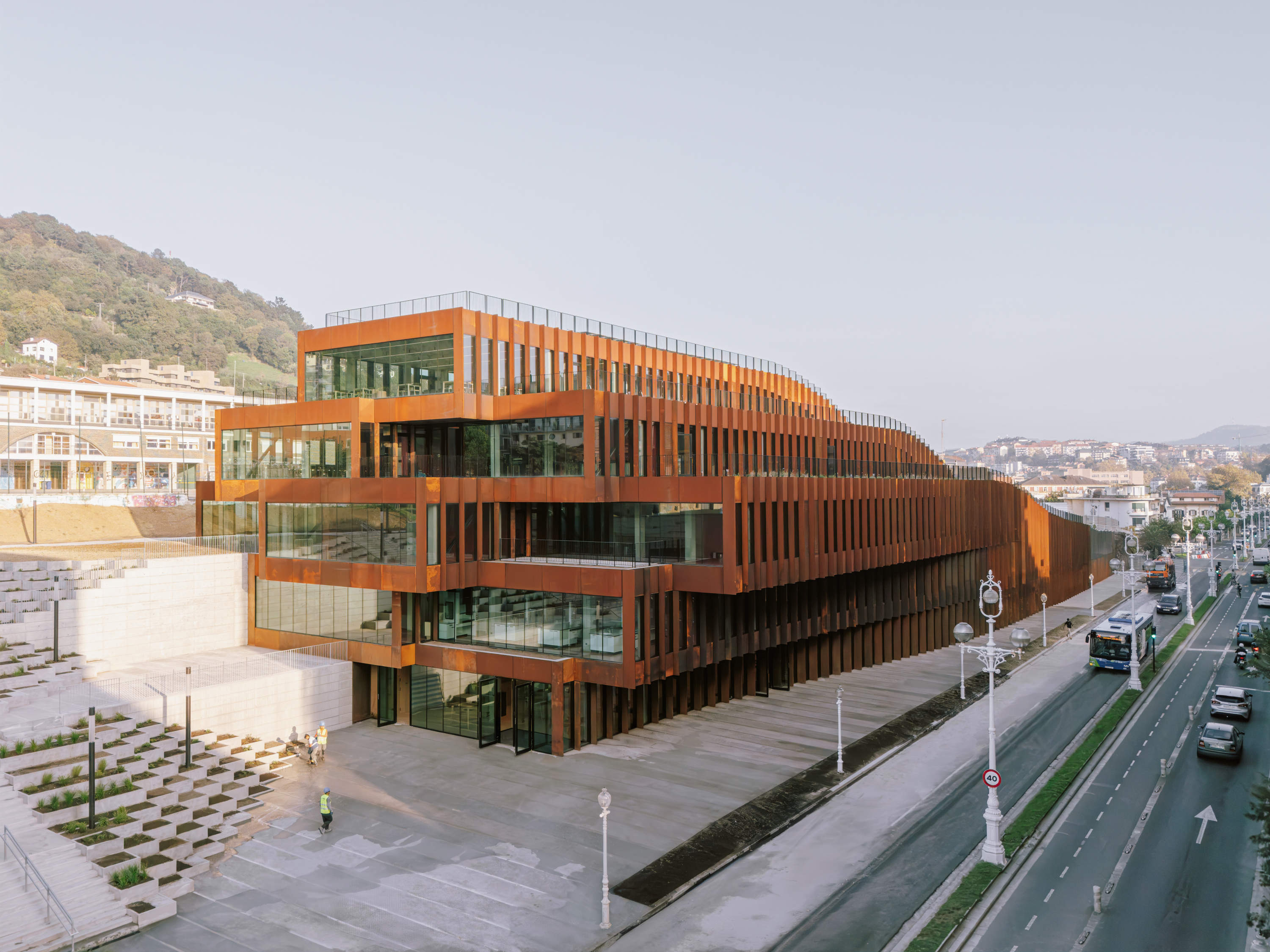
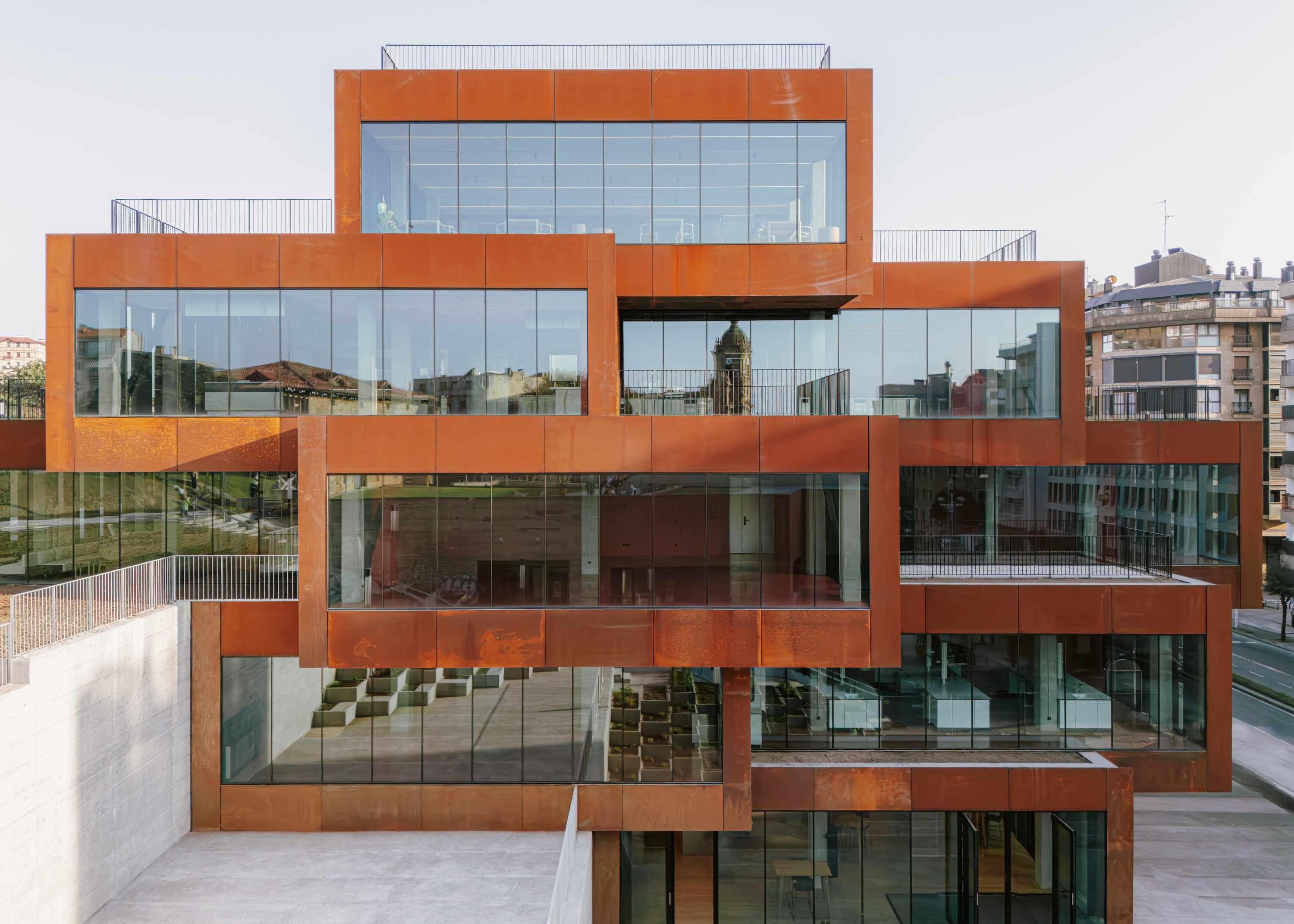
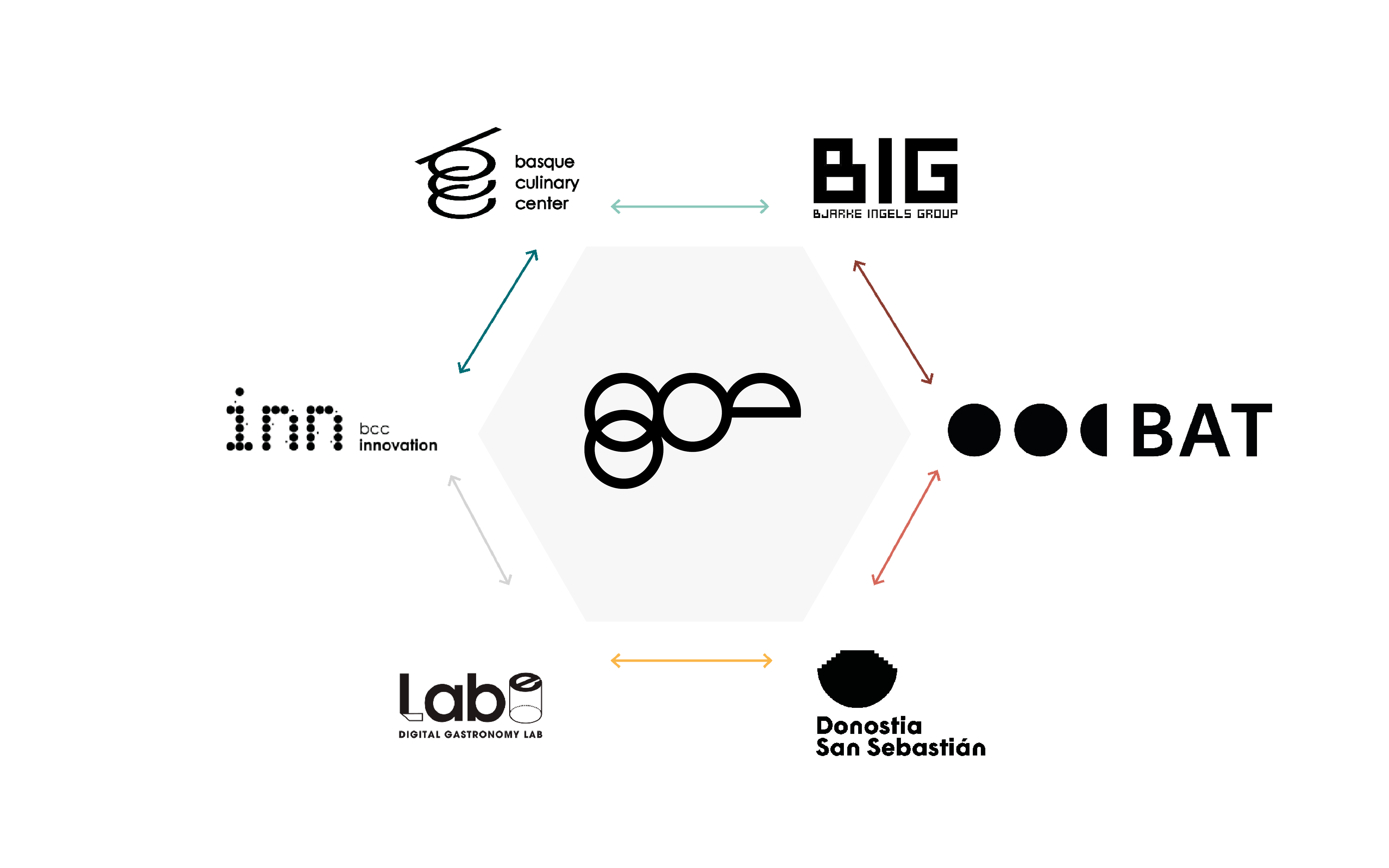
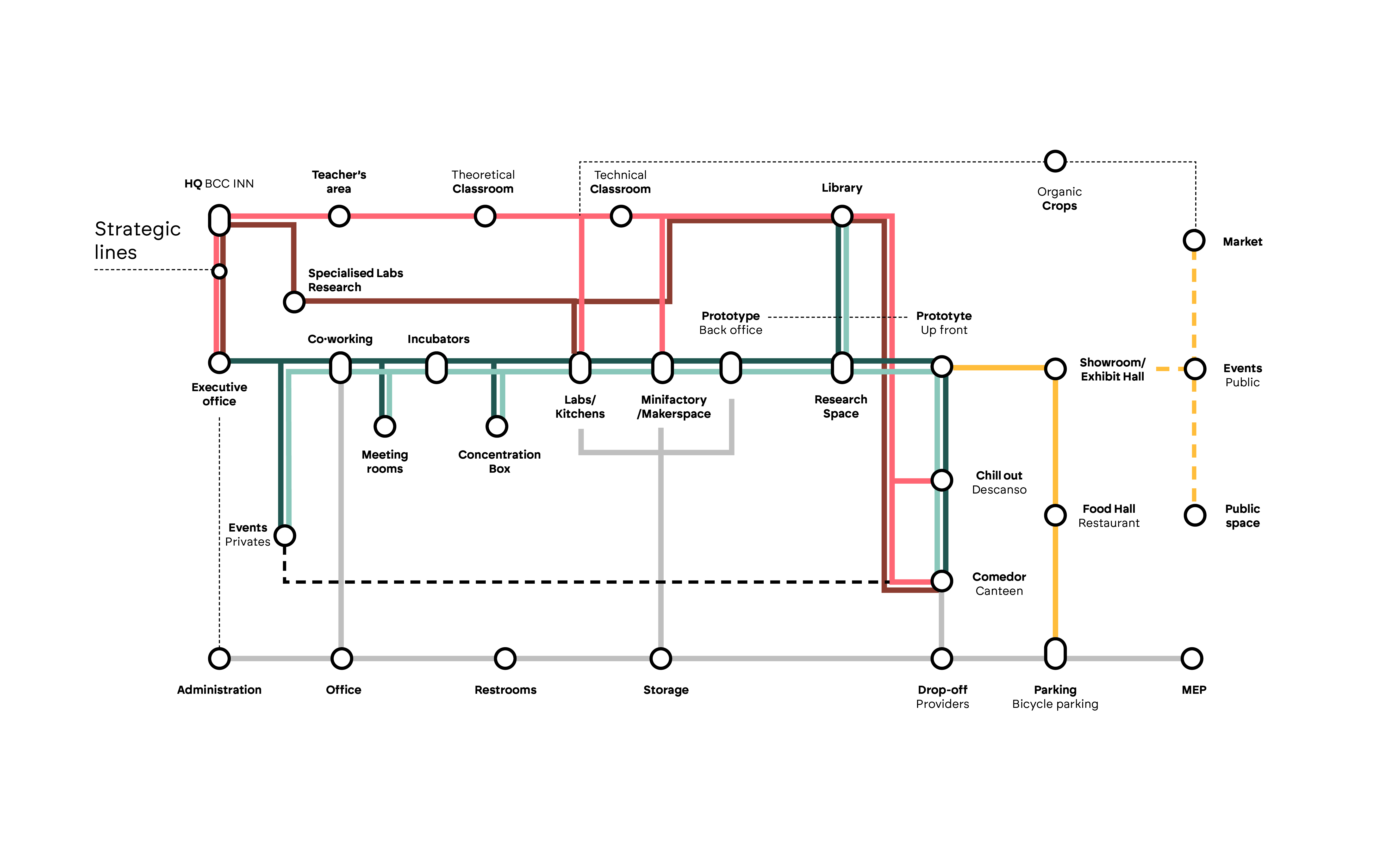
GOe Gastronomy Open Ecosystem marks a new milestone in our trajectory. Conceived by BIG (Bjarke Ingels Group) and developed by our team, the 9,000 sqm building promoted by the Basque Culinary Center has become a new international benchmark where architecture, gastronomy, and innovation converge to envision the future of food.
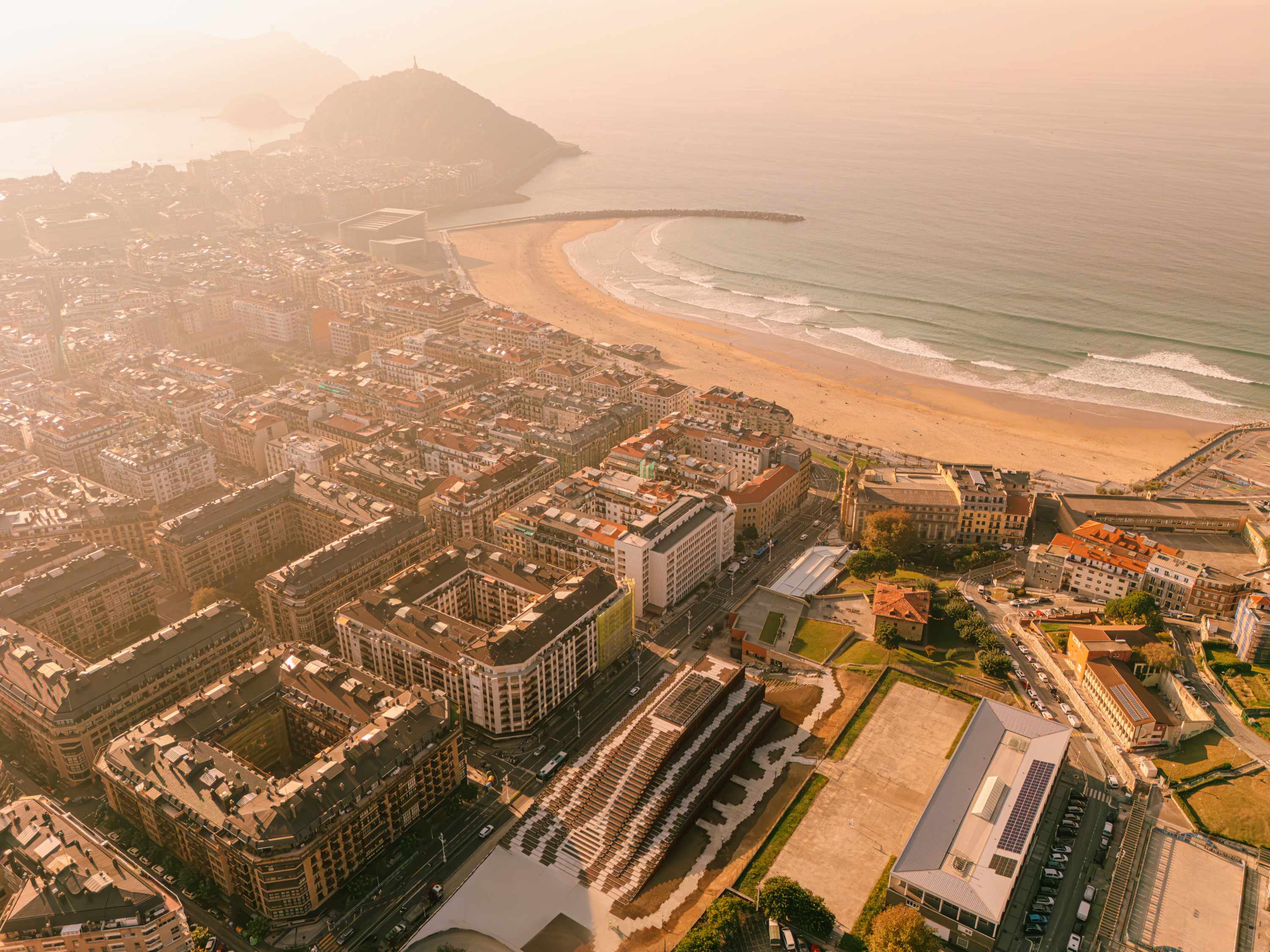
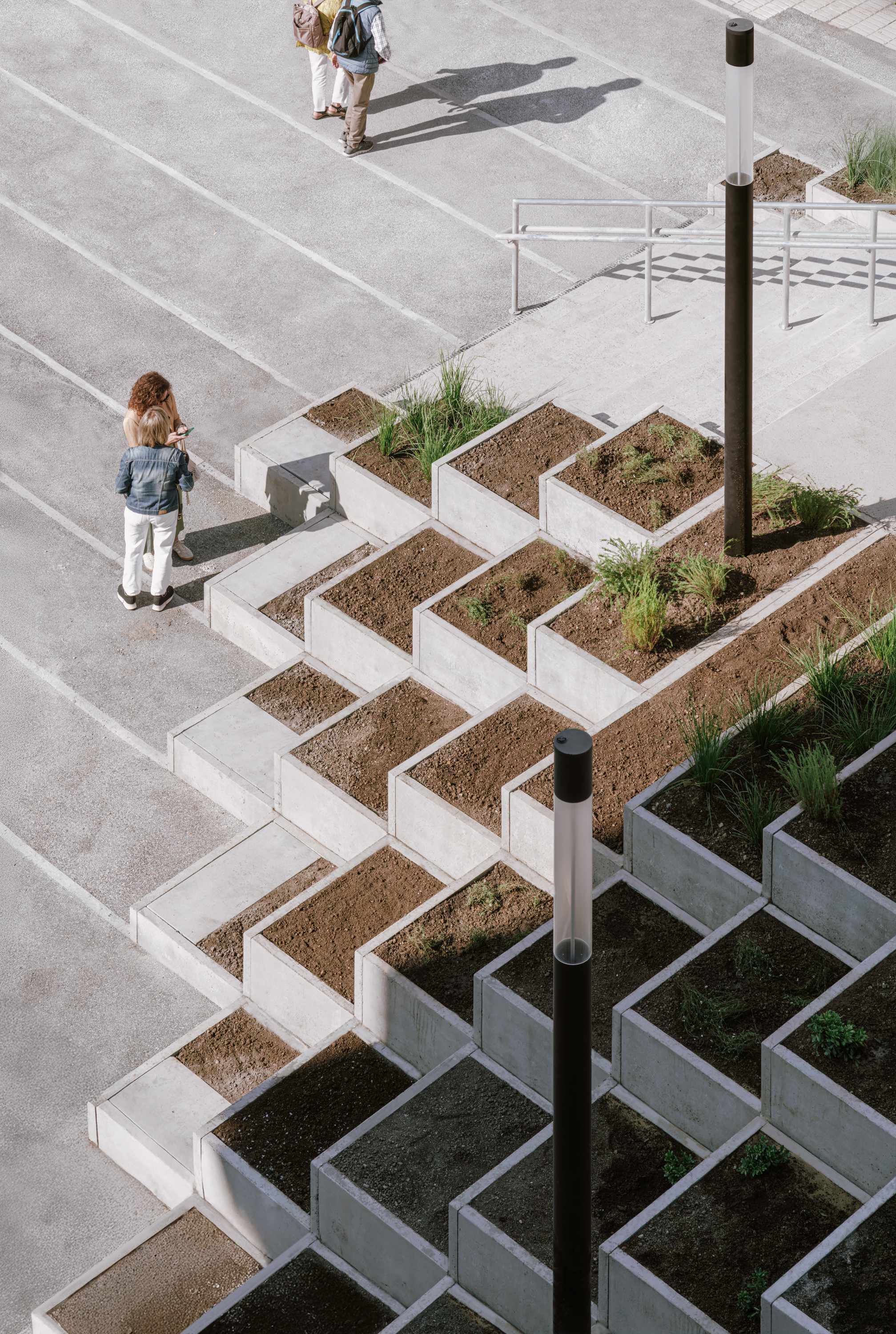
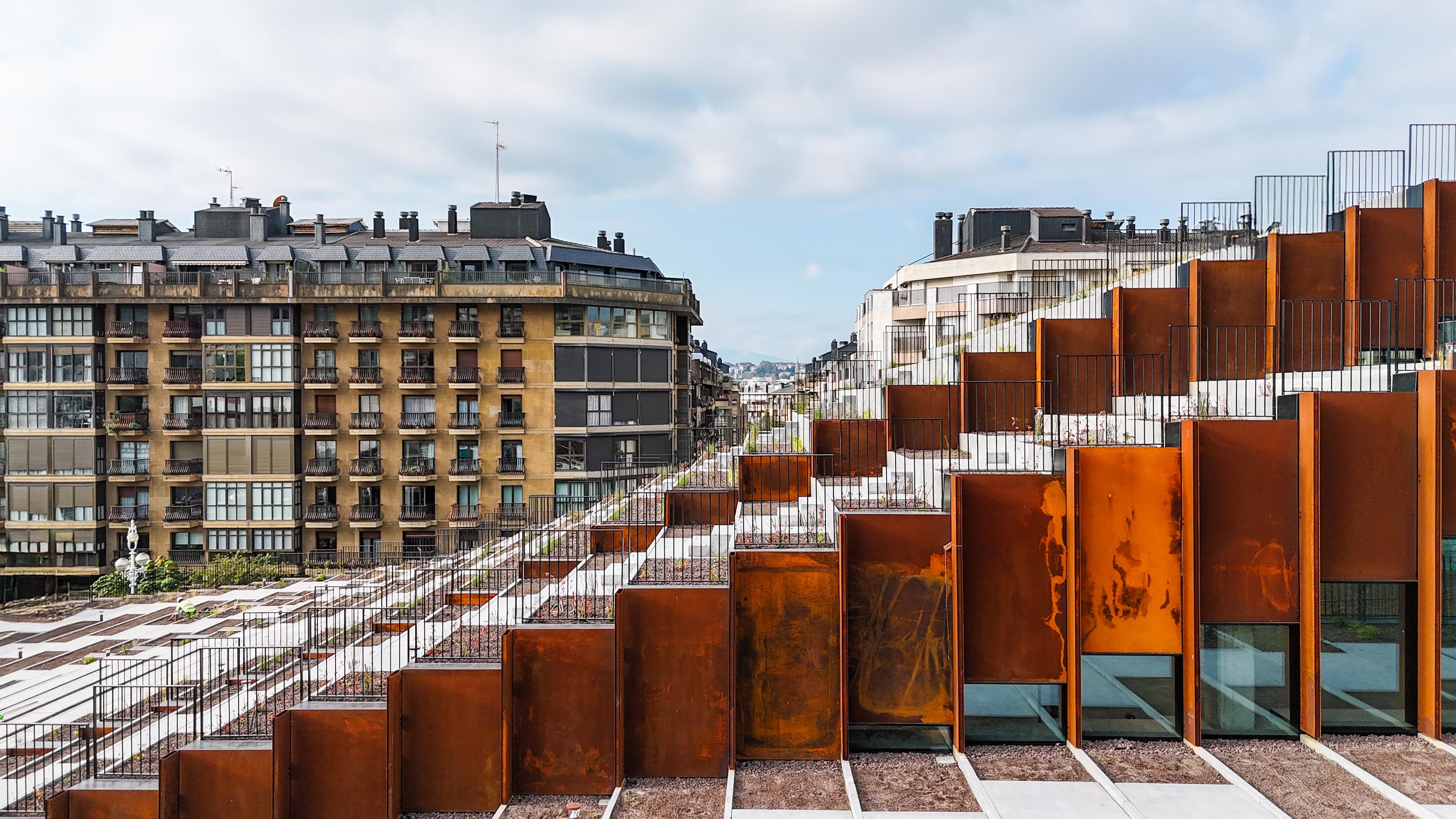
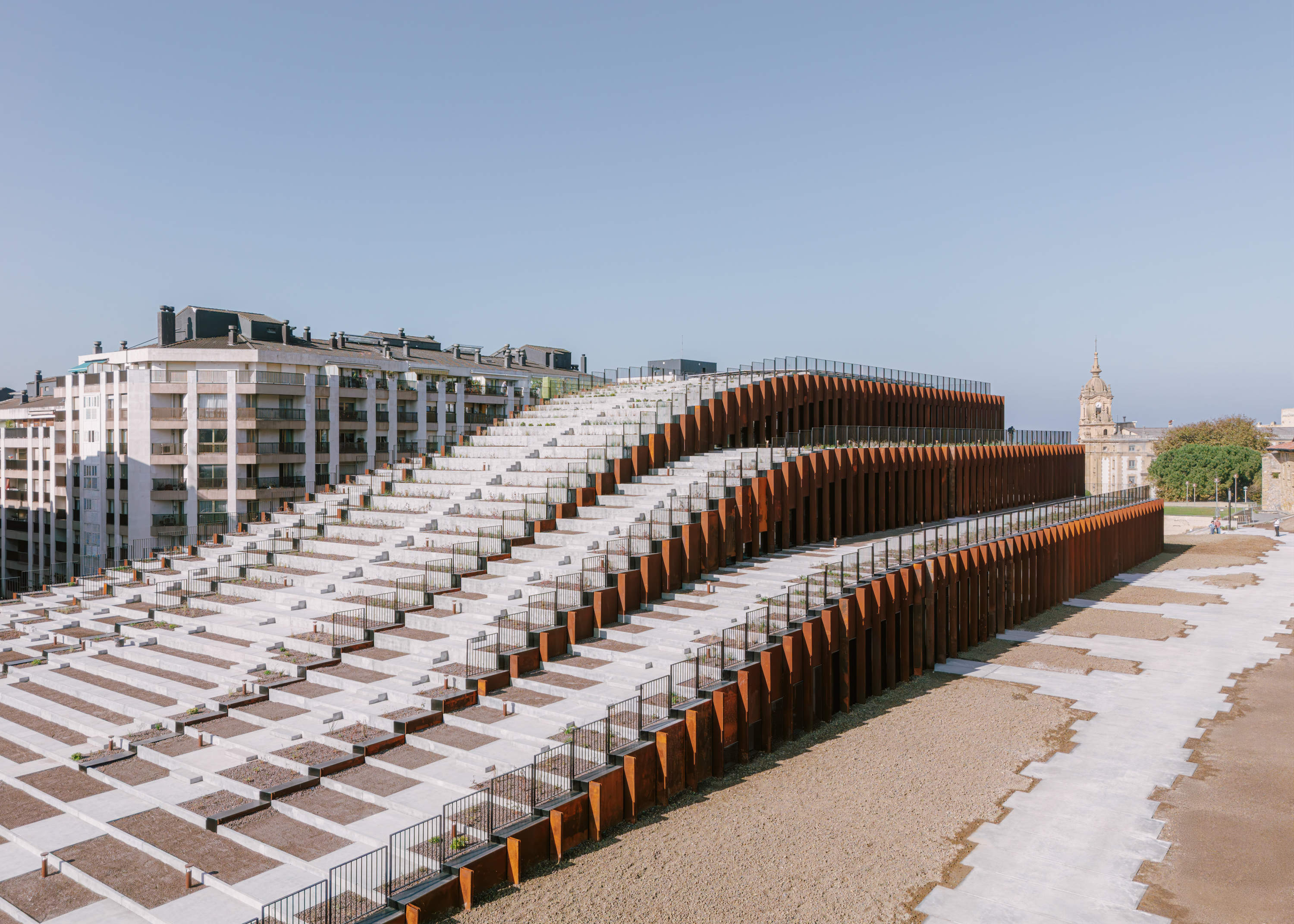
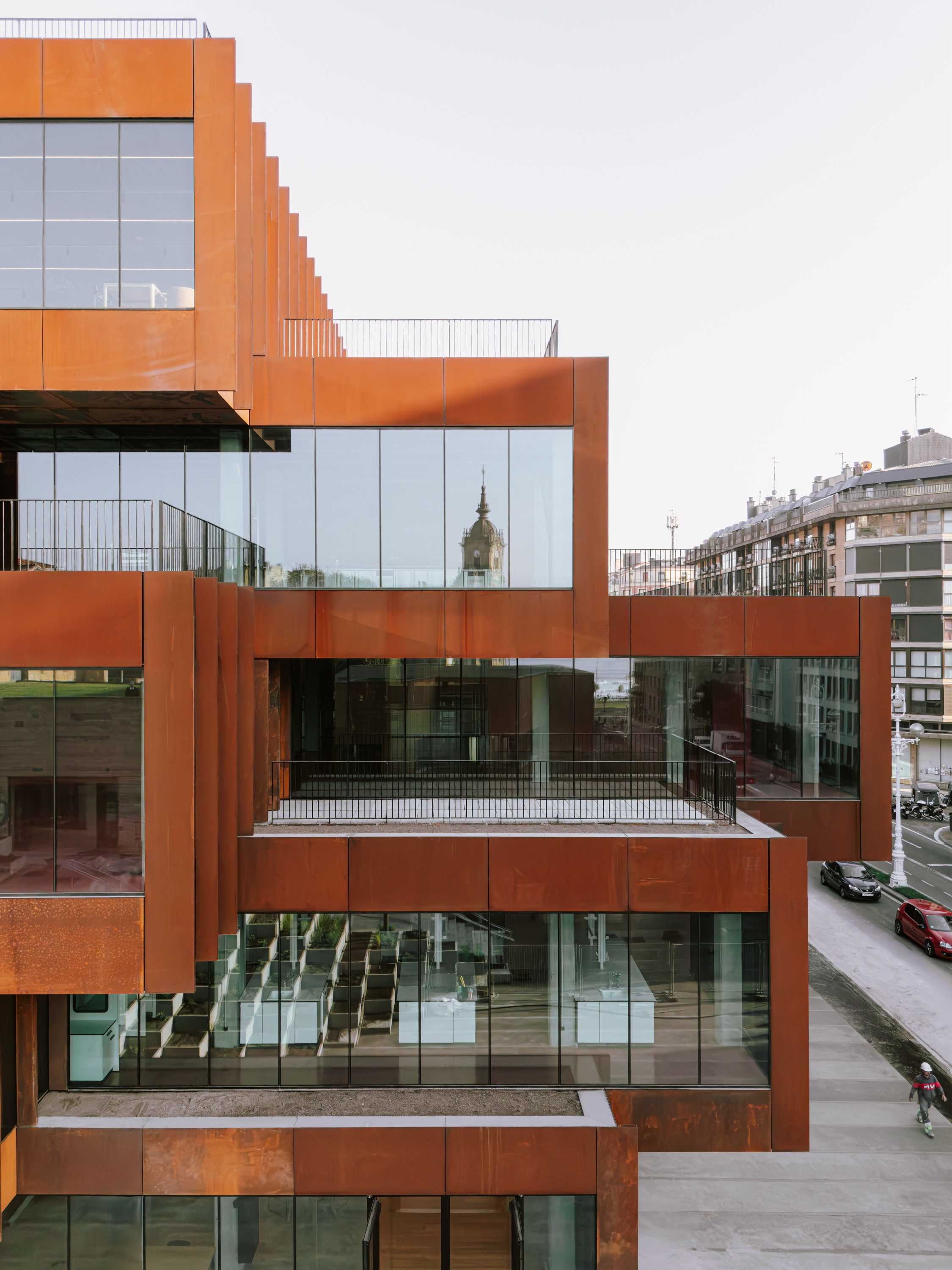
Nestled between the sea and the mountains, at the base of Mount Ulia and near Zurriola Beach, GOe takes advantage of the 10-meter slope of the terrain to extend toward the sea through a walkable green roof, creating a building that is both an architectural icon and a public square. The project, titled “Camino de las Olas” (`Path of the Waves´), directly connects to the Camino de Santiago and the Cantabrian Sea.
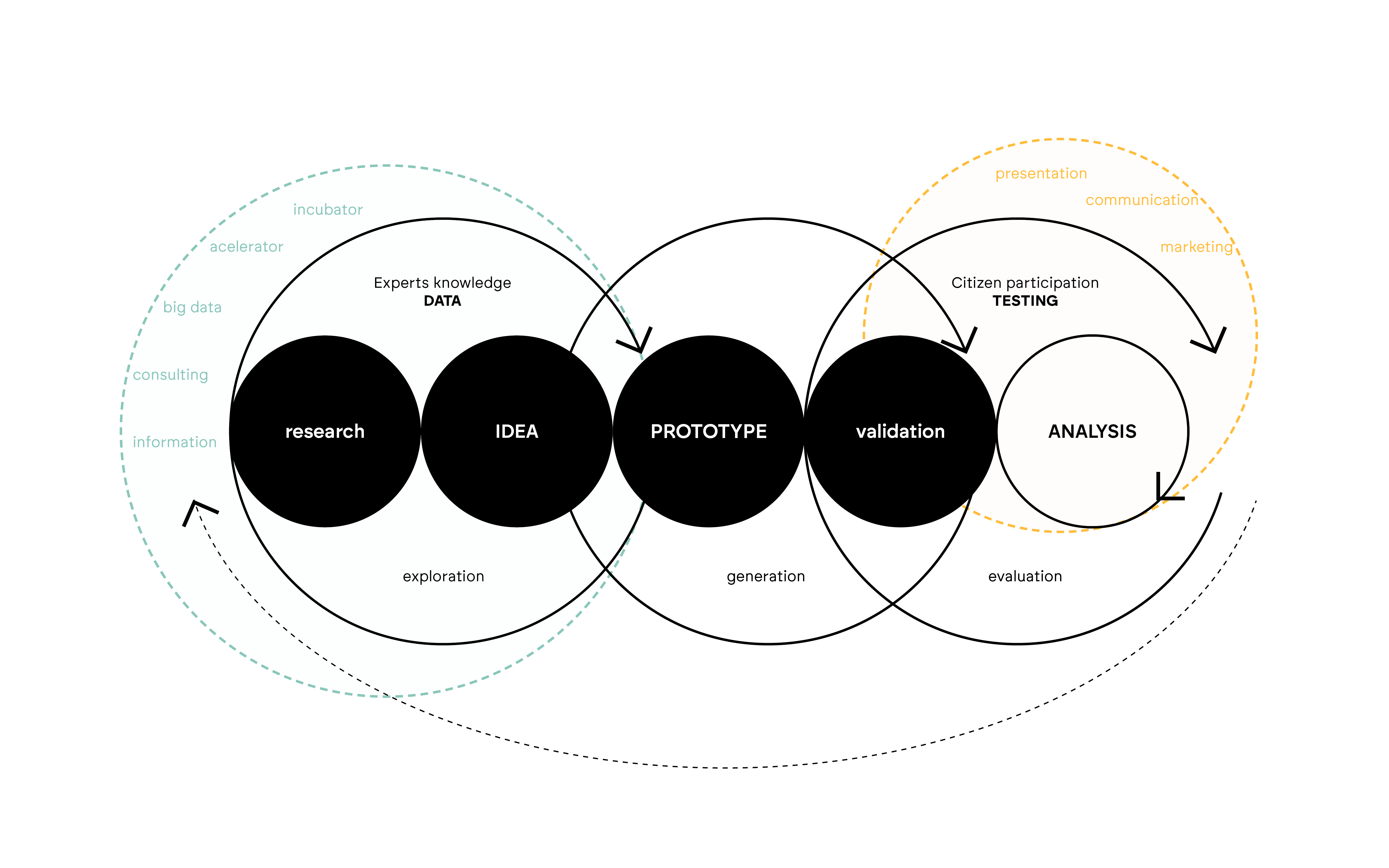
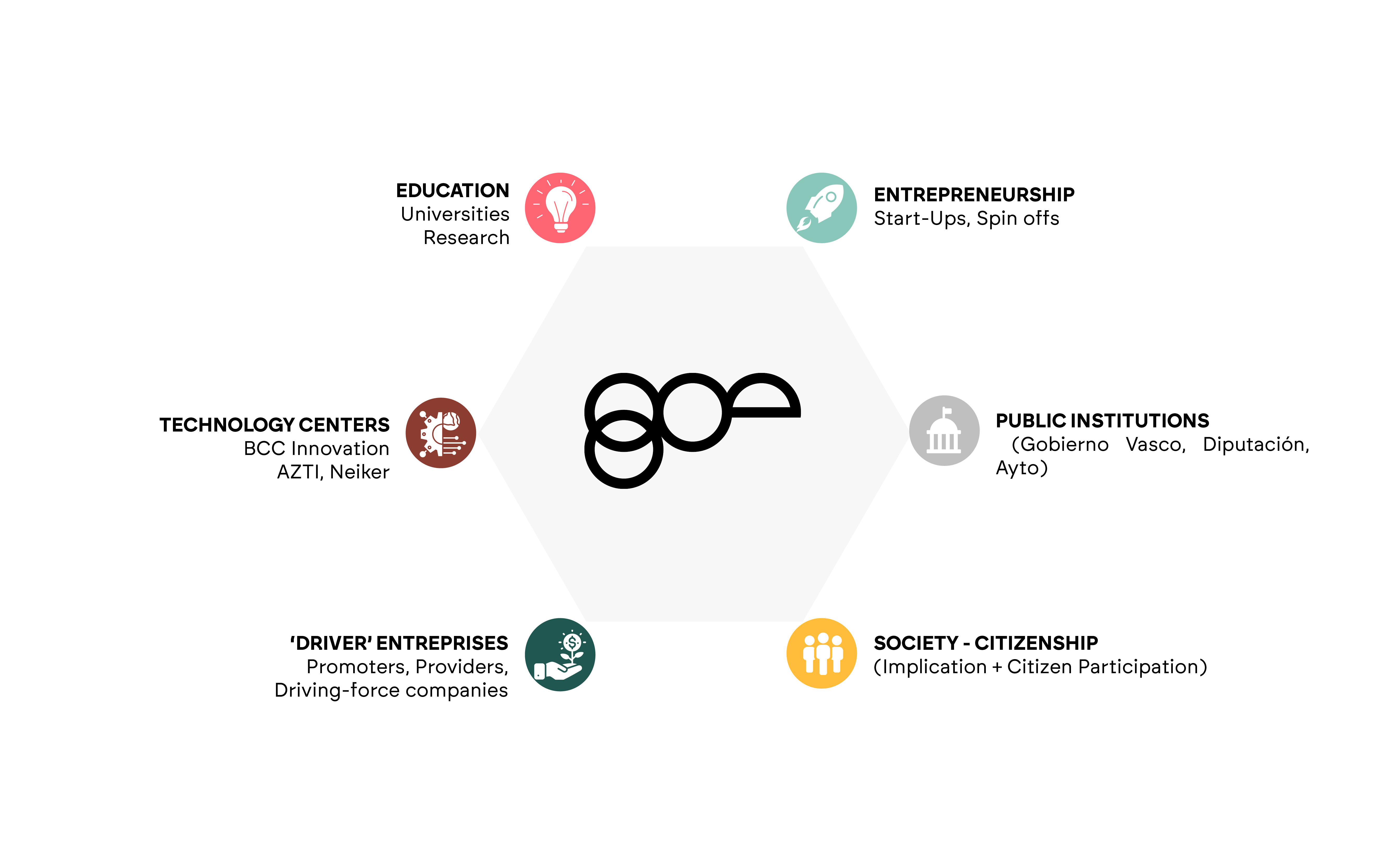
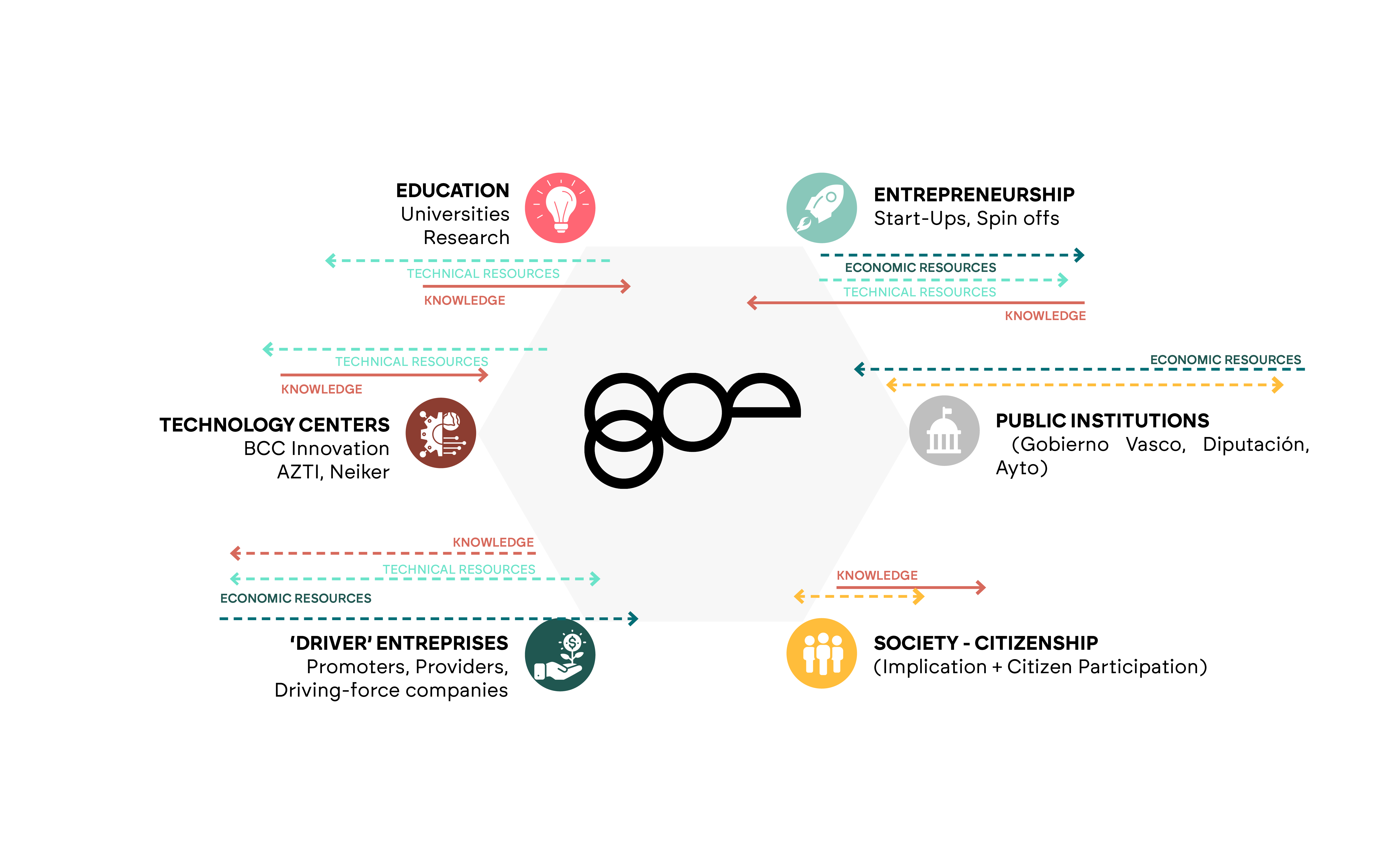
The GOe project began with the design of a bespoke collaborative working process, led by BAT together with the BCC, involving faculty members, researchers, institutional representatives, and industry experts through a design thinking–based methodology. From the earliest stages, BAT led an in-depth research and contextual analysis process that defined strategic guidelines, identified key needs, and translated them into specific spatial solutions. This approach resulted in an infrastructure conceived as an urban ecosystem, where education, research, and innovation coexist within a single space dedicated to the development, advancement, and dissemination of gastronomy. Companies, entrepreneurs, students, researchers, and institutions all form part of GOe’s multidisciplinary identity.
This global network of stakeholders develops its initiatives within a shared physical hub, enabled by the infrastructures provided by GOe. The project team, bringing together experts from the Basque Culinary Center, BIG and BAT, worked toward a common goal: to explore innovative solutions capable of generating new value across the entire gastronomic value chain. Throughout the process, close collaboration between teams made it possible to conceive a space that encourages interaction, creativity and the exchange of knowledge, ultimately shaping an architectural prototype for the future.
An architectural wave connecting city, sea and gastronomy
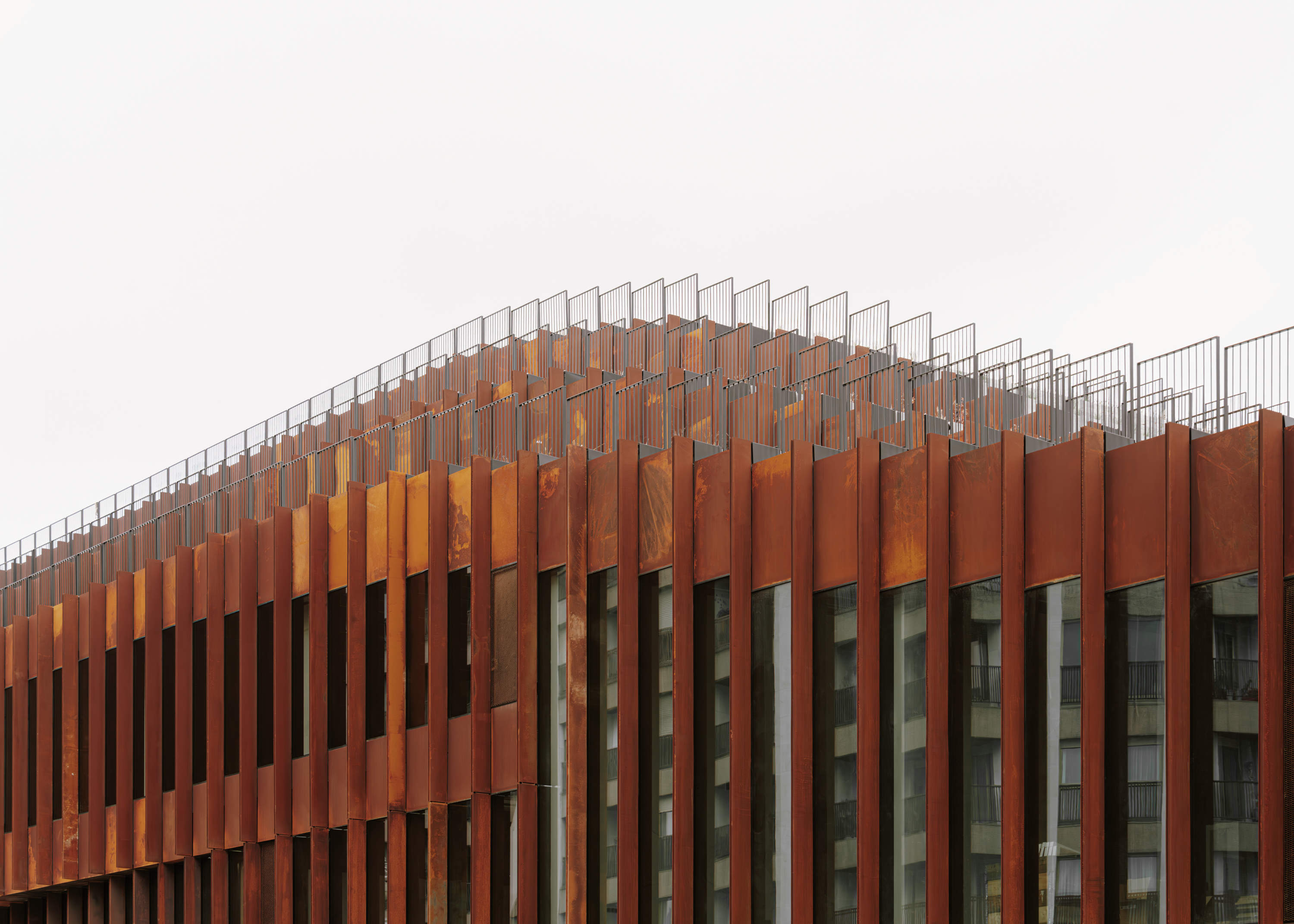
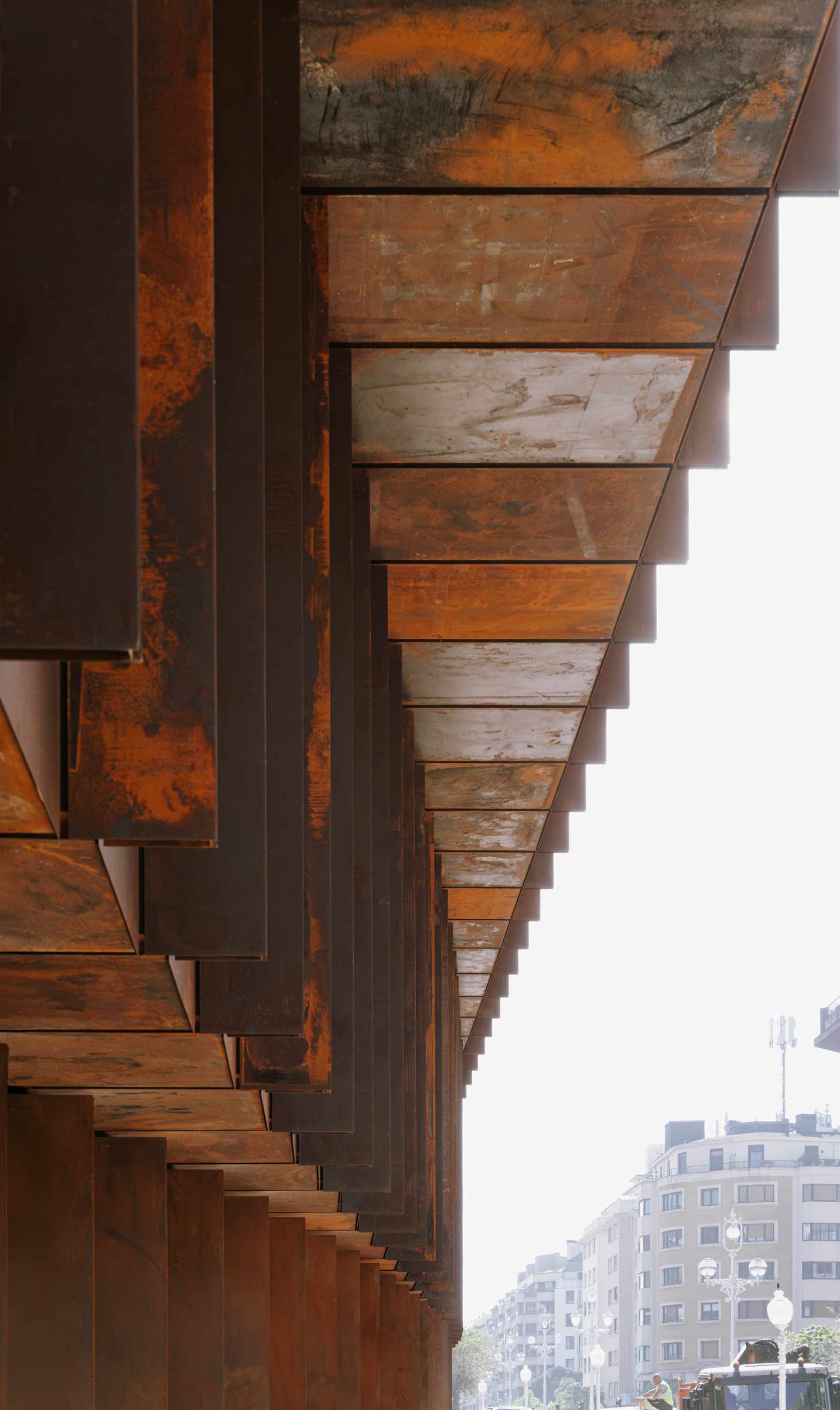
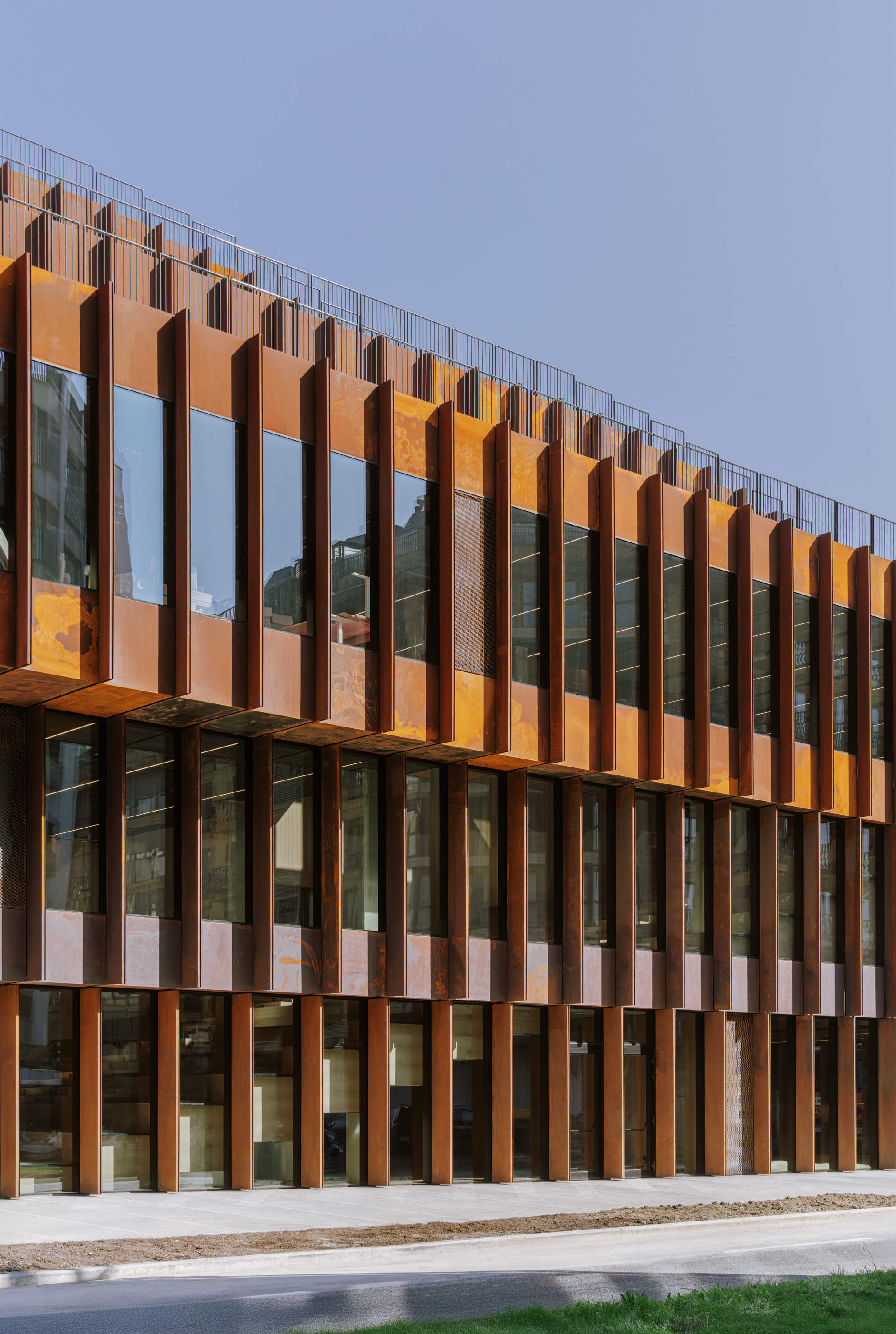
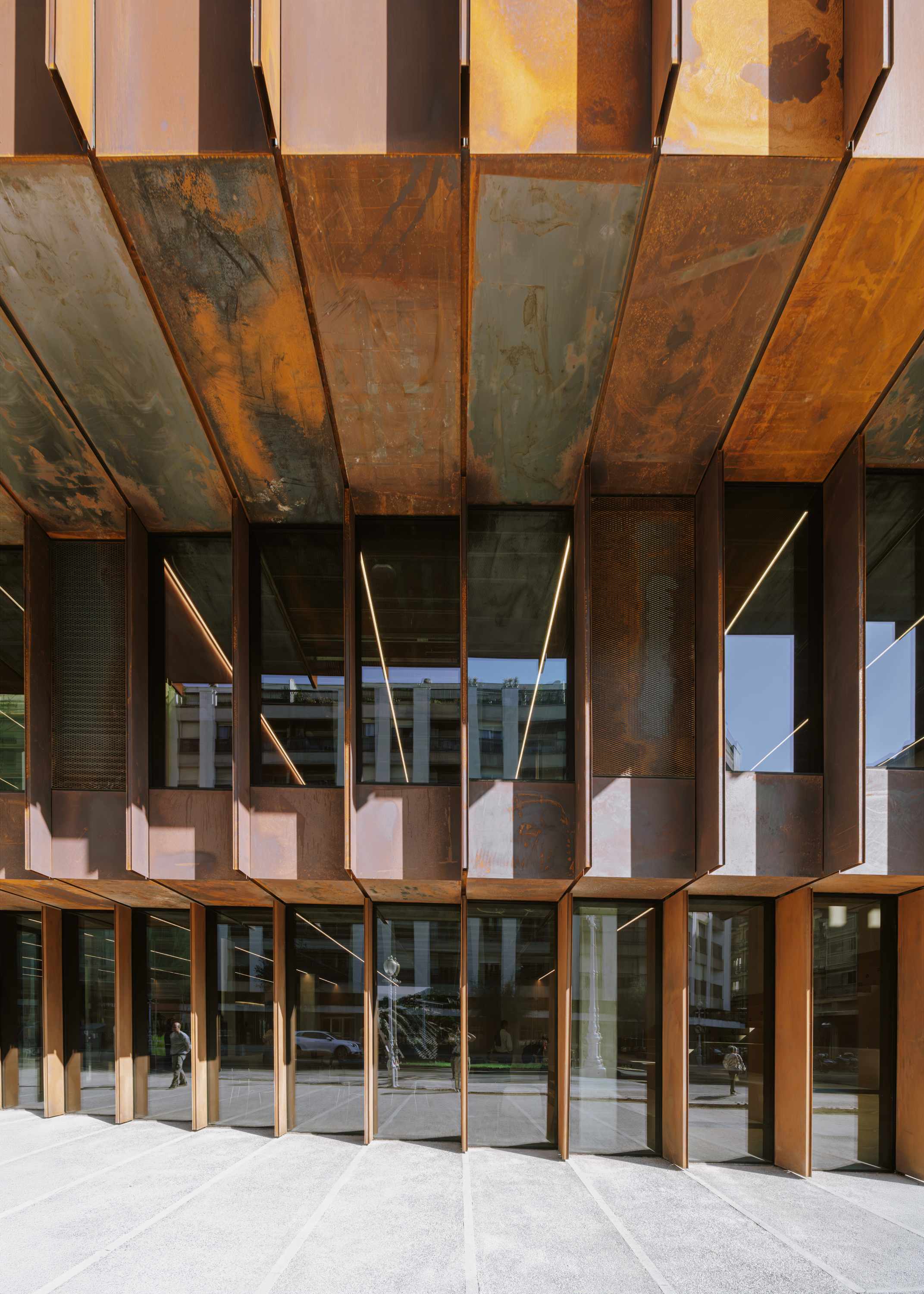
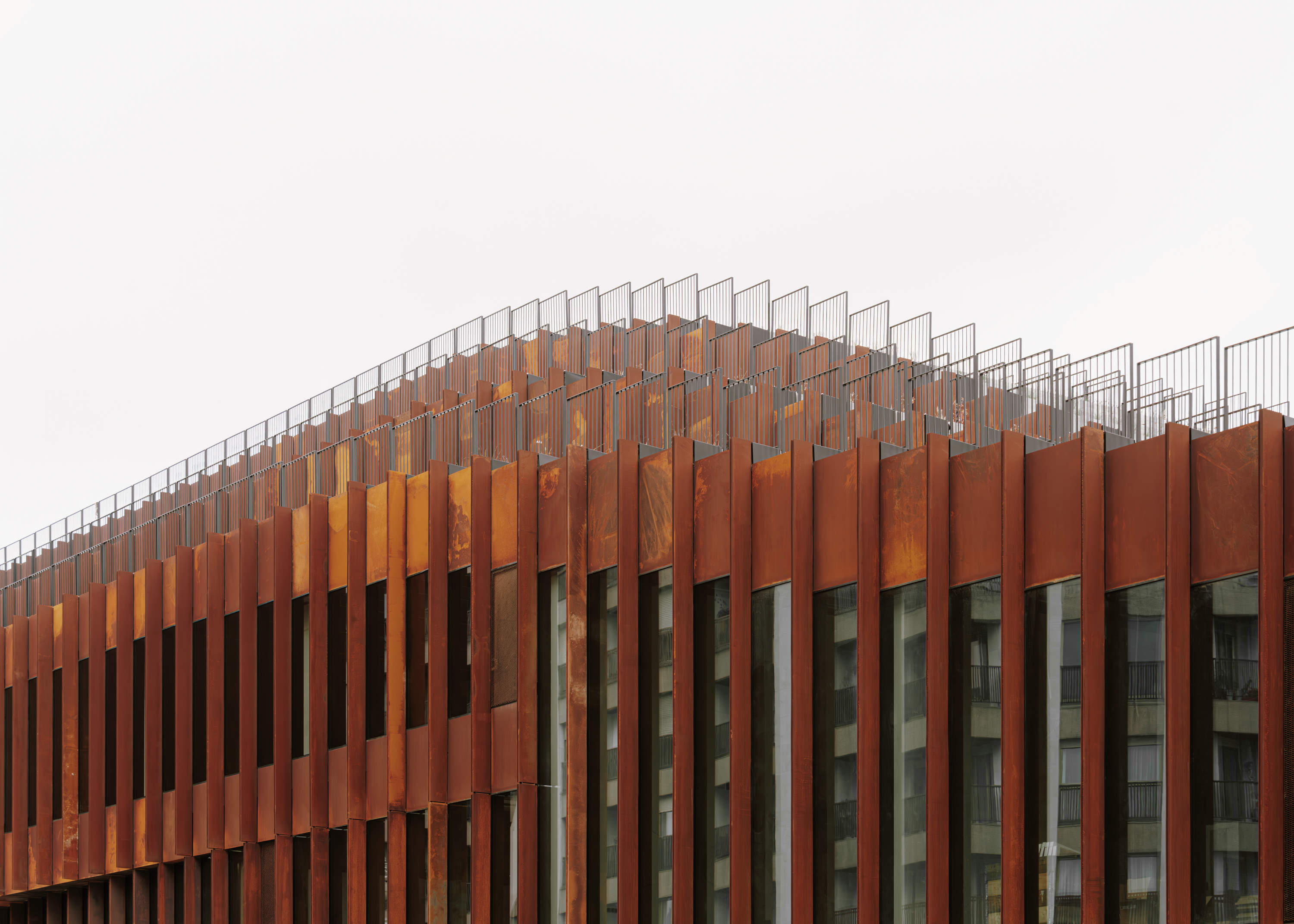
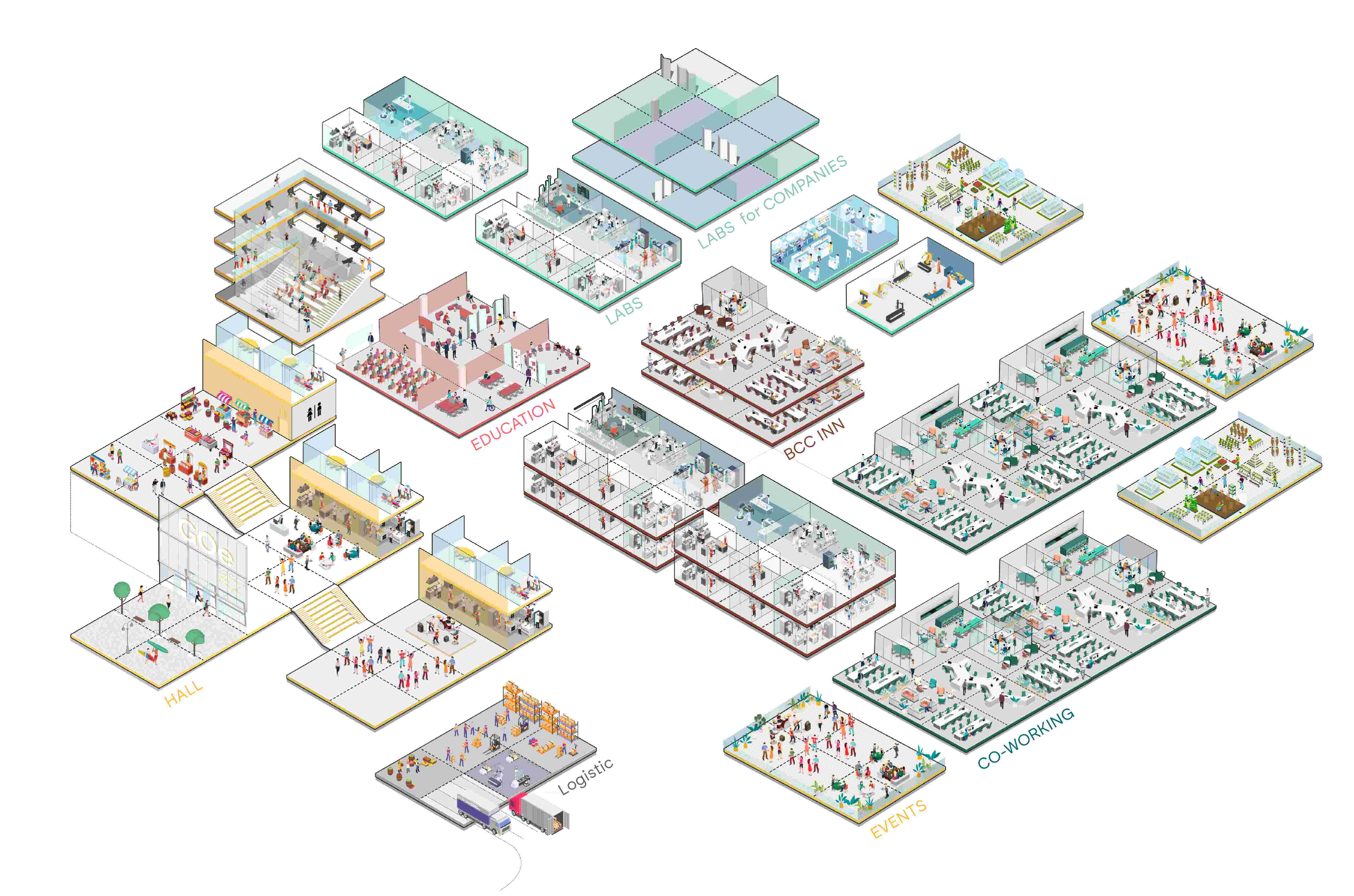
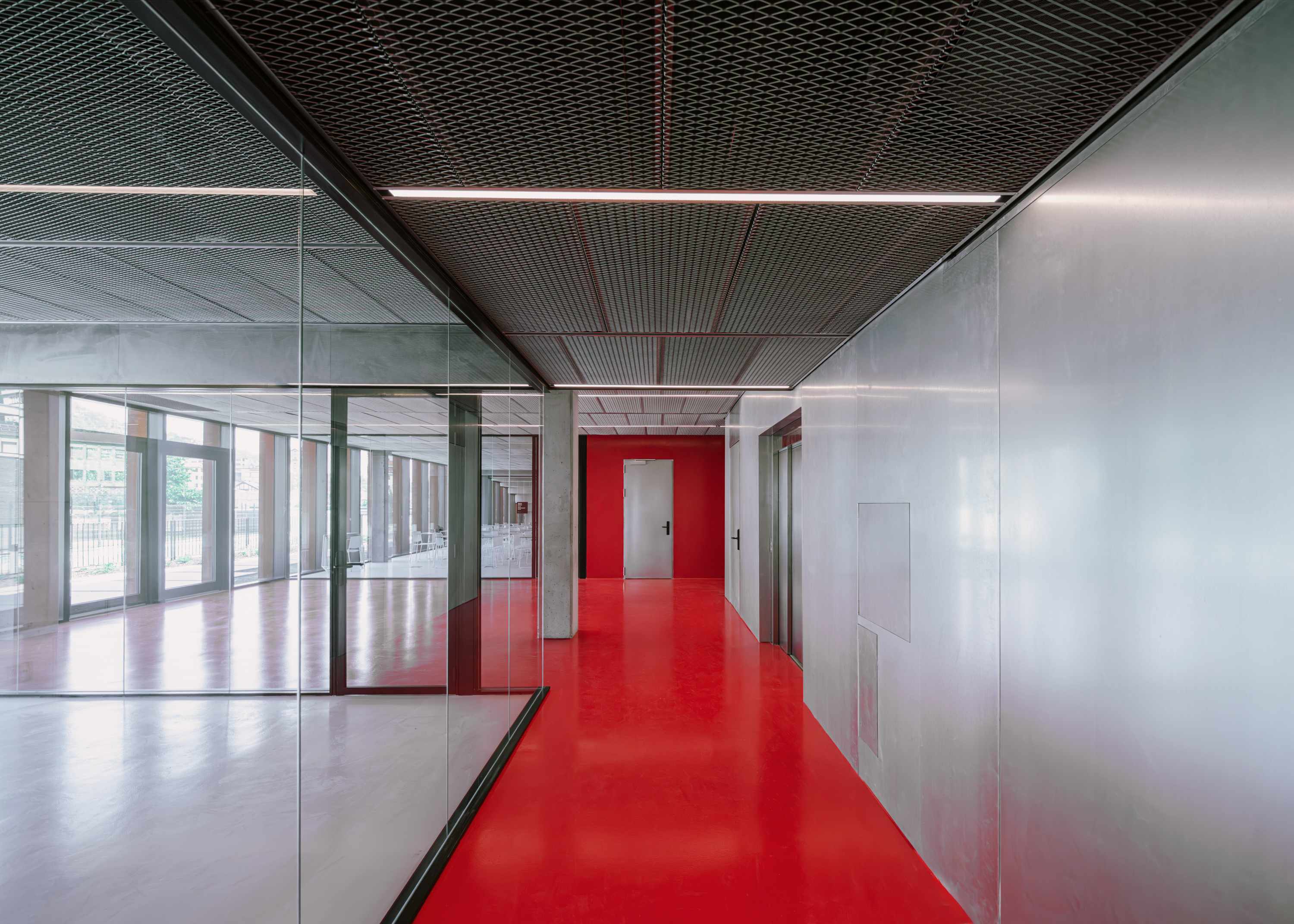
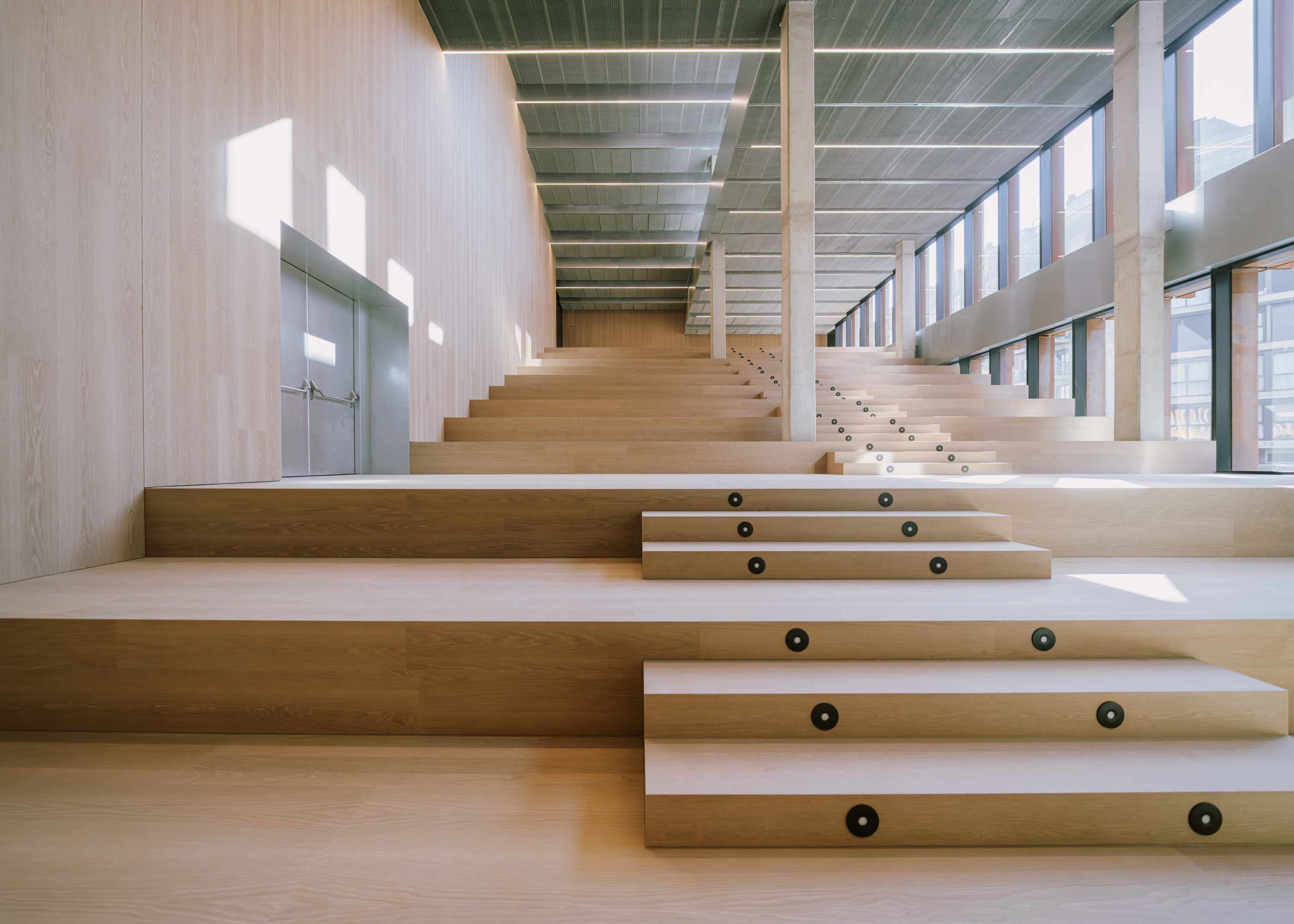
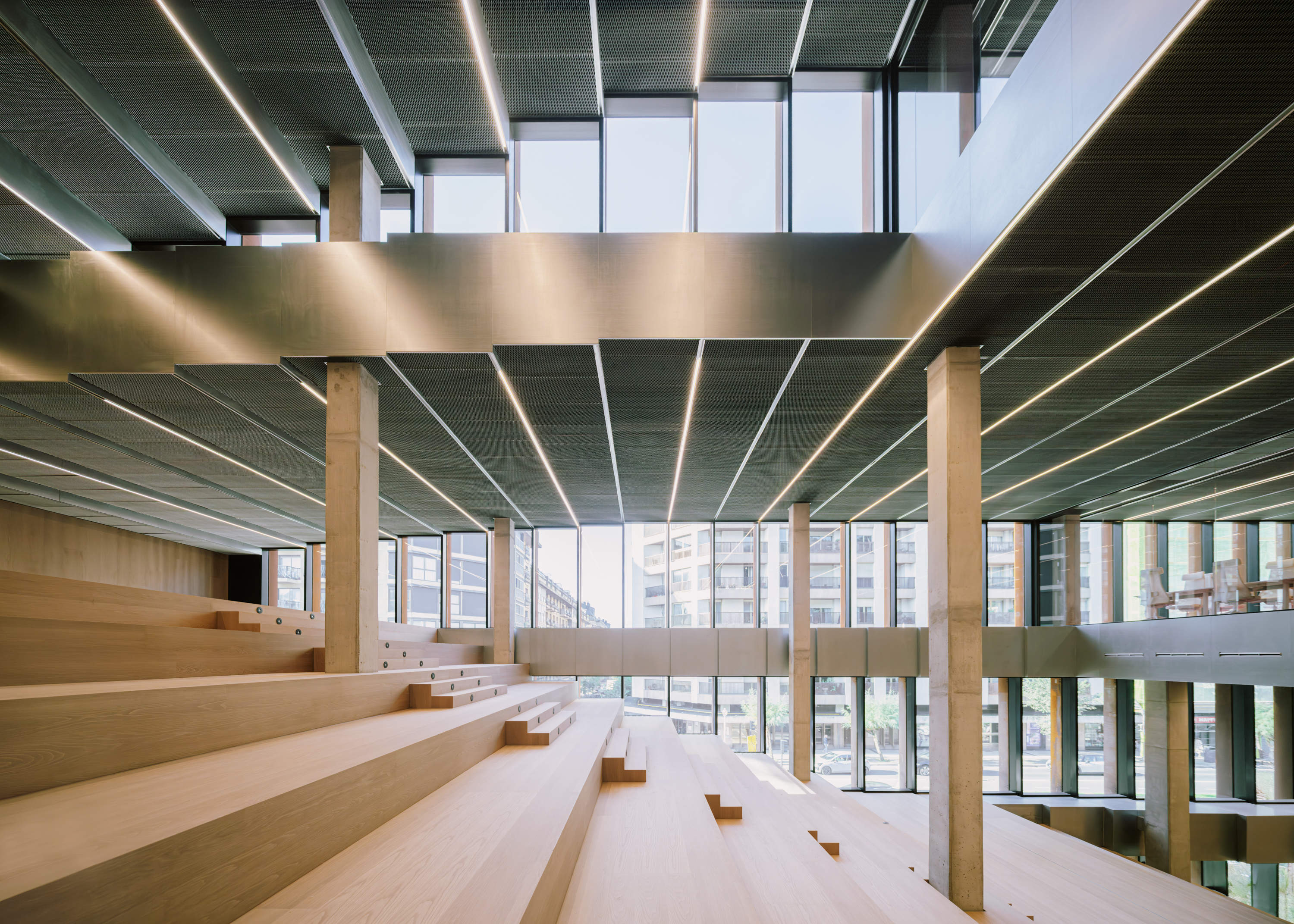
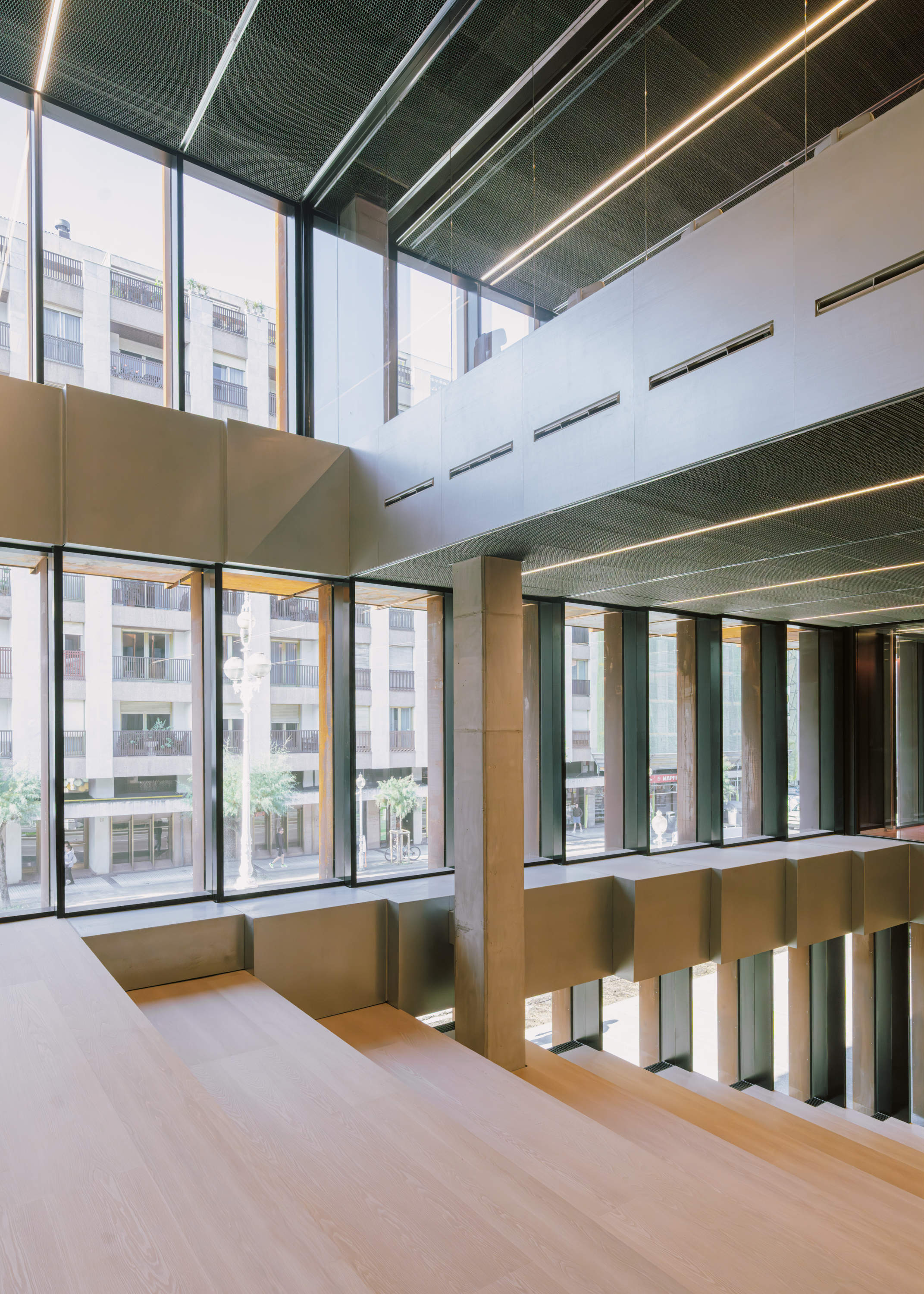
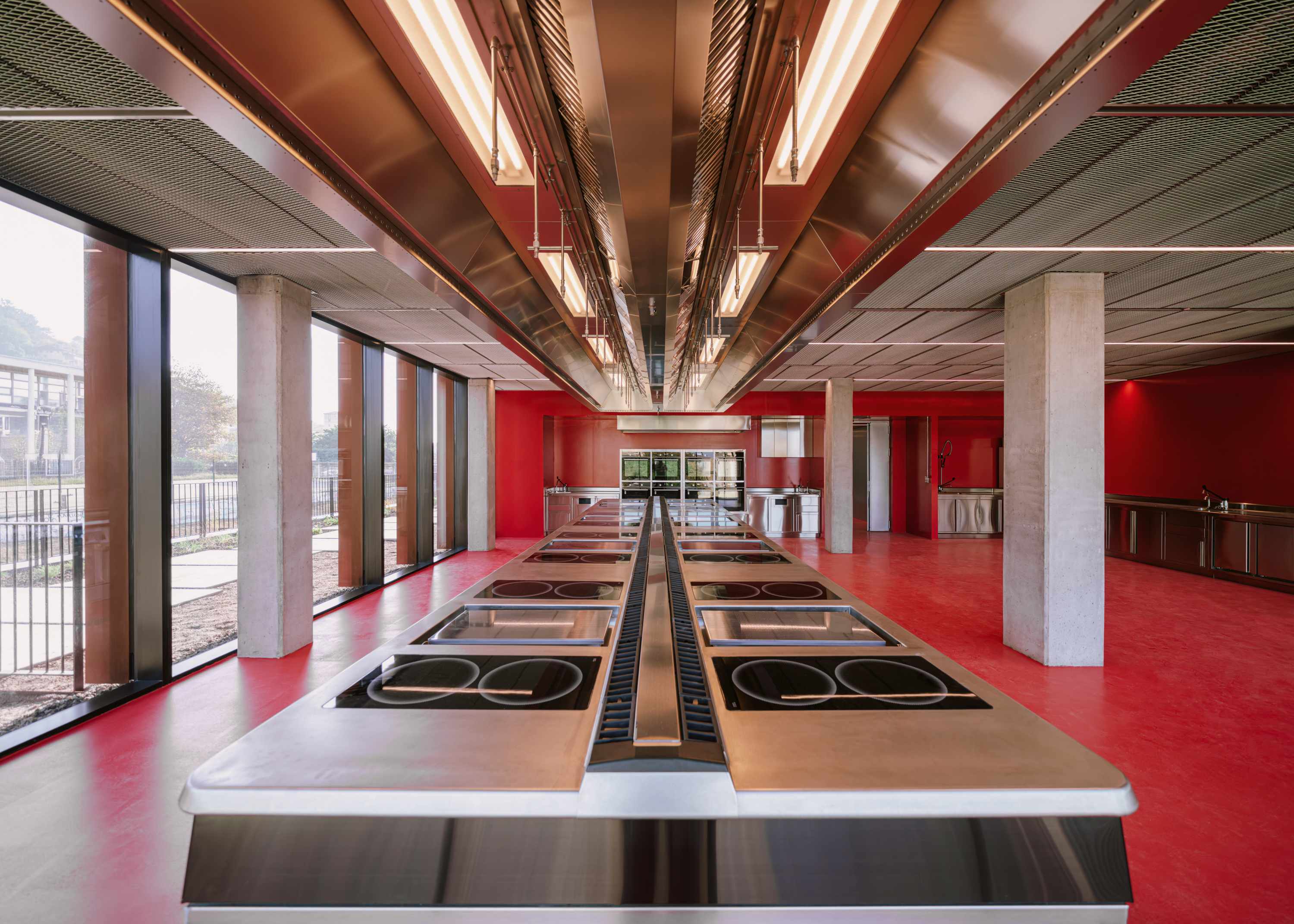
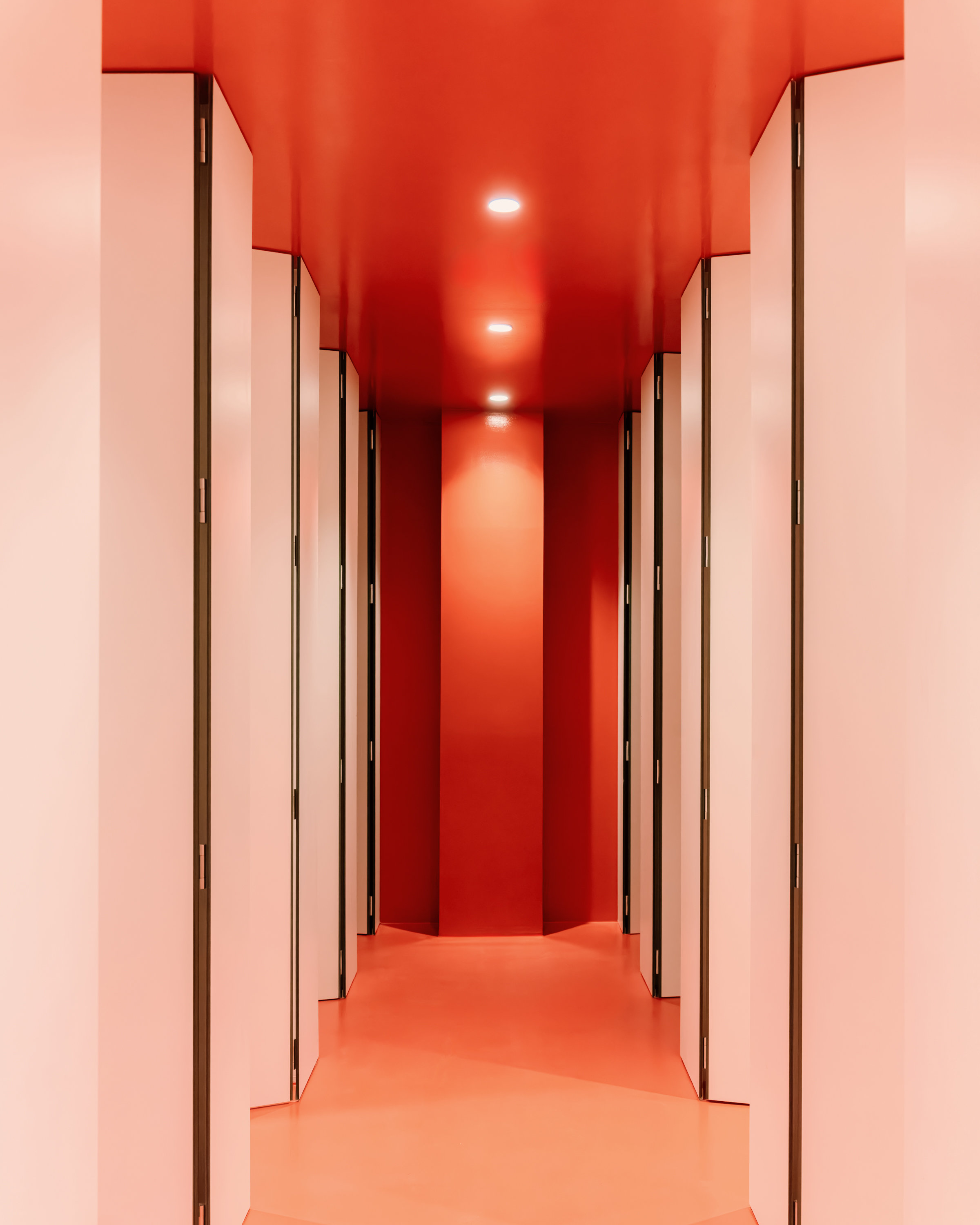
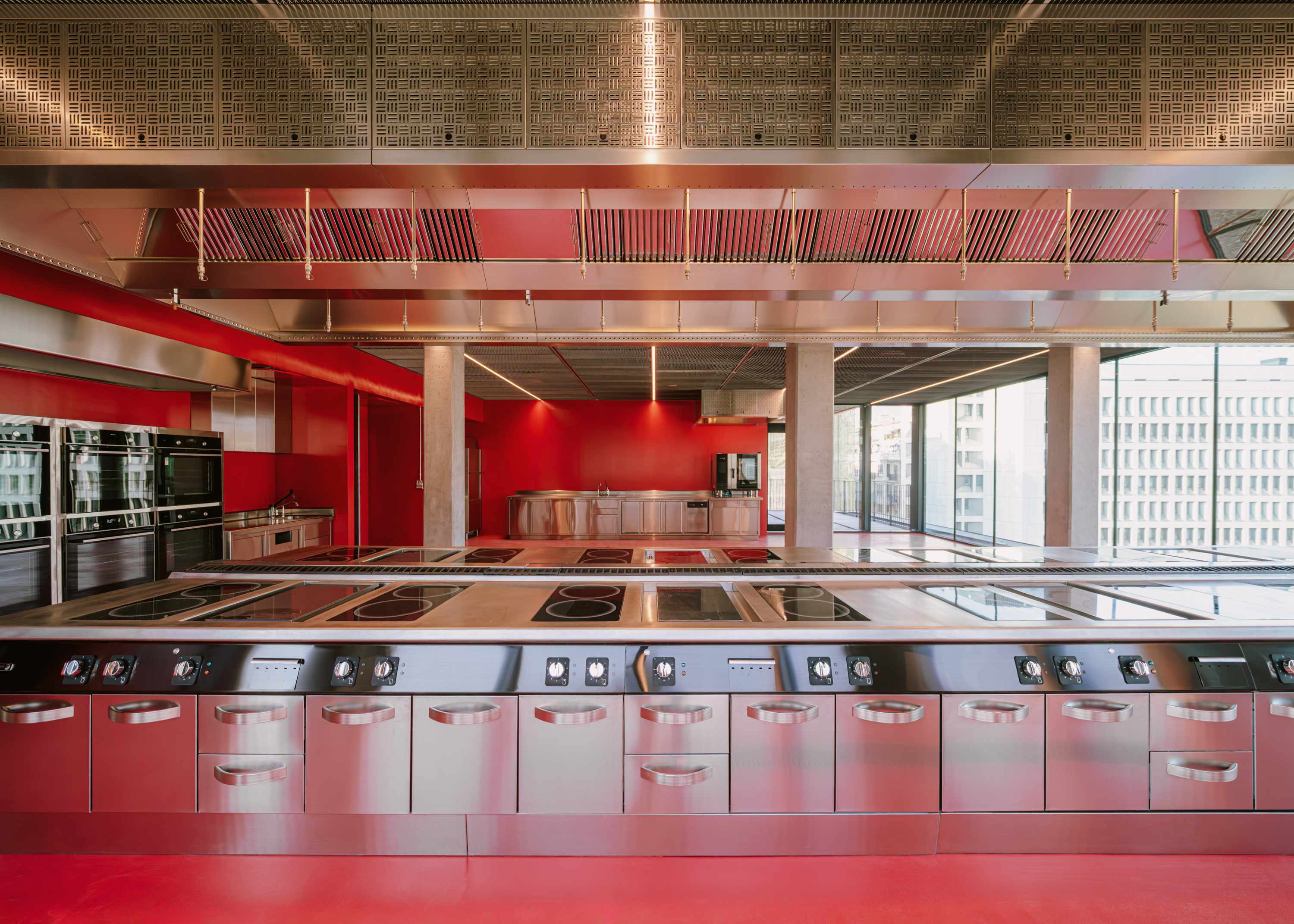
The building rises from the terrain through a generous stairway that connects interior and exterior spaces. Its façade, defined by large glazed openings, softens the boundary between inside and out. On the roof, the volumes step down toward the sea, evoking the flysch formations characteristic of the Basque coastline. Designed to adapt to evolving needs, the building accommodates experimental kitchens, laboratories, classrooms and coworking spaces that can be reconfigured through raised flooring systems and porous ceilings. A ventilated façade and a green roof enhance thermal comfort and reduce the project’s carbon footprint, while visual transparency invites the city to engage with the gastronomic ecosystem.
At its core, the Hall brings together research, education and gastronomic entrepreneurship, inviting the public to discover the creative processes shaping the cuisine of the future.

“Our role was to turn a powerful idea into a precise work, ensuring that every architectural decision maintained the essence of BIG’s concept while guaranteeing technical and constructional feasibility.” Peru Cañada, Partner at BAT.
GOe stands as a new reference within BAT’s trajectory, supported by more than a decade of experience.
“GOe is an example of how collaboration between international teams can result in a building that is sustainable, flexible, and deeply connected to its environment.” Xabier Arranz, Partner at BAT.
GOe is presented as a catalyst for companies, entrepreneurs and multidisciplinary talent, establishing itself as a global benchmark in the gastronomic field: a space to imagine, develop and experience the food of the future.